

Kalshi Co-Founder Goes From Ballerina to World’s Youngest Woman Self-Made Billionaire
Luana Lopes Lara did not follow the usual billionaire playbook. Her path started in ballet studios, moved through brutal discipline, and ended with one of the biggest financial wins of the decade.
At just 29, Lopes Lara is now the world’s youngest self-made female billionaire. Her estimated net worth sits at $1.3 billion, powered by Kalshi’s $11 billion valuation after a massive $1 billion funding round in late 2025.
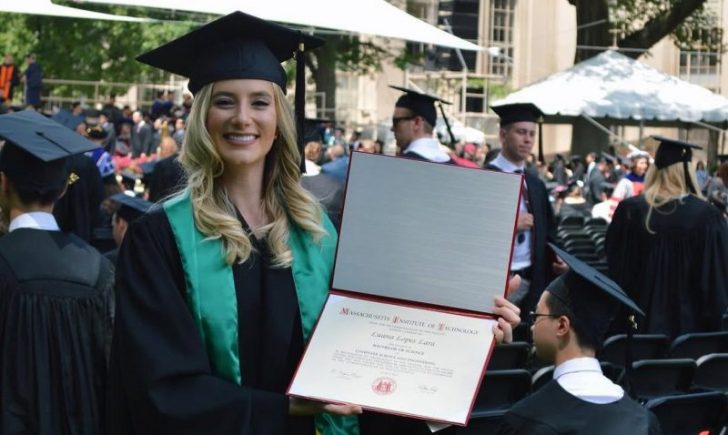
Luana / IG / Lopes Lara grew up in Brazil and trained at the Bolshoi Theater School, one of the toughest ballet institutions on the planet.
Her days began early and ended late. Academic classes ran from 7 a.m. until noon, followed by eight hours of nonstop ballet training. The environment was ruthless and competitive.
Stories from the school sound unreal. Dancers sabotaged rivals by hiding glass shards in shoes. Injuries were common. Praise was rare. You either pushed through or quit. Lopes Lara pushed through, and that mindset stayed with her long after she left the stage.
She danced professionally in Austria for nine months. Then she made a clean break. Ballet had trained her body and mind, but she wanted something bigger. She moved to the United States and enrolled at MIT, studying computer science and mathematics.
At MIT, she thrived in pressure-heavy environments. Summers were spent interning at Bridgewater Associates and Citadel Securities, places known for intensity and high standards. During a New York City internship in 2018, she met Tarek Mansour. That meeting changed everything.
Building Kalshi the Hard Way
Lopes Lara and Mansour noticed a strange gap in finance. Markets are full of opinions about the future, yet there was no simple, legal way to trade directly on event outcomes. They wanted a platform where users could buy Yes or No contracts on real-world events. If you were right, the contract paid $1. If not, it paid nothing.
That idea became Kalshi. Simple in theory. Brutal in execution.
Instead of skirting regulation like many prediction platforms, they chose the hardest route possible. Full federal approval in the United States. That decision slowed everything down and nearly killed the company more than once.
For two years, Kalshi had no live product. No revenue. Just endless meetings with regulators at the Commodity Futures Trading Commission. Lopes Lara later admitted the risk was extreme. If approval failed, the company would go to zero.
In 2020, Kalshi became the first federally regulated exchange dedicated to event contracts. It was a quiet win at the time, but it laid the foundation for everything that followed.
The real test came in 2024. The CFTC blocked Kalshi from offering contracts tied to U.S. elections. Instead of backing down, Kalshi sued its own regulator. It was a bold move and a dangerous one.
It worked! A federal appeals court ruled in Kalshi’s favor. For the first time in over a century, Americans could legally trade on election outcomes through a regulated platform. That ruling changed Kalshi’s future overnight.
The Billion-Dollar Breakthrough

Luana / IG / Once election trading became legal, growth exploded. During the 2024 U.S. presidential election cycle, Kalshi users placed more than $500 million in trades.
The platform moved from niche curiosity to mainstream financial tool.
In October 2025, Kalshi raised $300 million at a $5 billion valuation. Two months later, the company closed an additional $1 billion round led by Paradigm, with backing from Sequoia Capital and Andreessen Horowitz. The valuation jumped to $11 billion.
Lopes Lara holds an estimated 12% stake in Kalshi. That single funding round pushed her net worth to roughly $1.3 billion. At 29, she passed Lucy Guo and Taylor Swift to become the youngest self-made female billionaire in the world.
More in Money
-
`
 How Does Tech Giant Meta Make Money? A Closer Look
Meta is one of the biggest names in tech. But many people still wonder how it actually brings in billions of...
November 28, 2025 -
`
Kanye West Accuses Kim Kardashian of Distancing Children From Him
Kanye West is not holding back. The 48-year-old rapper says Kim Kardashian is putting space between him and their kids. According...
November 22, 2025 -
`
Meet Smith Lake Jake, Alabama Groundhog Celebrity Who Stars in a New Movie
Smith Lake Jake didn’t start out as a celebrity. Born around 2005 and adopted by Ginger and Heath Whitworth in Graysville,...
November 7, 2025 -
`
Minnesota Cannabis Dispensaries Are Empty in a Crippling Supply Shortage
Minnesota legalized adult-use cannabis, issued retail licenses, and cut the ribbon on a new market. But now? Dispensary shelves are bare....
October 31, 2025 -
`
How Losing a Family Pet Can Teach Your Kids About Death & Grief
No one wants to see their kid cry over a pet, but it happens. Pets don’t live forever, and when they...
October 24, 2025 -
`
How to Ensure Mindful Living in the Suburbs
Mindful living in the suburbs doesn’t need a retreat, a guru, or a schedule packed with meditation classes. It just needs...
October 17, 2025 -
`
Paris Hilton’s New Kids Show Is the One Even Her Own Kids Actually Watch!
Paris Hilton isn’t just running empires and DJing in Ibiza. She is also making bedtime TV that actually passes the toddler...
October 10, 2025 -
`
Why this Management Guru Wants You to ‘Waste’ Money to Grow Your Business
Luke Williams has a message that goes against everything most business owners believe: You need to waste money. Not recklessly, but...
October 3, 2025 -
`
5 Things We Lose As a Society When Teens Don’t Babysit
Babysitting used to be a rite of passage for teens. It wasn’t just about earning pocket money. It built trust, responsibility,...
September 27, 2025









More From Wordsa
-
How Mindfulness Boosts Memory and Future Planning Skills
A small shift in daily habits can influence how well the brain keeps track of future plans. Recent findings suggest that...
Life HacksApril 30, 2026 -
David and Victoria Beckham Push for Mediated Reunion With Son Brooklyn
Tension within one of the most talked-about families in entertainment continues to build as David Beckham and Victoria Beckham attempt to...
CelebrityApril 23, 2026 -
Selling Your Business? Watch Out for These Critical Mistakes
Selling a business is often the most significant financial event a business owner will experience. The outcome affects not only immediate...
MoneyApril 17, 2026 -
Why Single-Family Rentals Have Become the New Foundation for Family Stability
Choosing a home as a family isn’t just about finding the right place—it’s about managing competing priorities like cost, space, and...
FamilyApril 10, 2026 -
Gen Z’s Viral “Rawdogging Boredom” Trend May Help Fix Their Attention Span
A strange trend is taking over TikTok. Gen Z creators are filming themselves sitting in silence, doing absolutely nothing for minutes...
Life HacksApril 3, 2026





You must be logged in to post a comment Login