
Celebrity Documentaries are Becoming Mere PRs, Here’s How
Celebrity documentaries used to feel risky. Cameras caught messy truths. Egos clashed. Reputations took hits. Now, many of these films feel like polished brand campaigns dressed up as honesty.
Streaming platforms are packed with glossy portraits of actors, models, and political figures. They promise rare access and emotional confessions. Yet viewers often walk away feeling managed rather than moved. The BBC podcast “What in the World” recently explored this shift, pointing to new projects that blur the line between storytelling and spin.
The Illusion of Intimacy

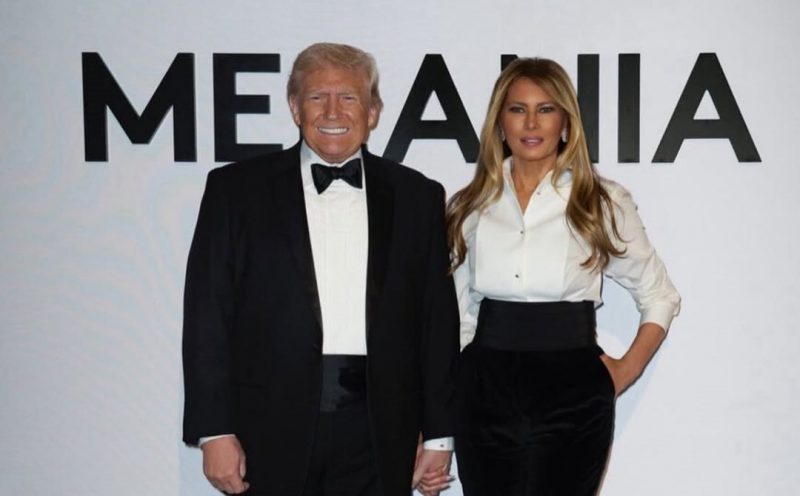
Melania / IG / Take the documentary about Melania Trump. The film follows her in the days leading up to Donald Trump’s presidential inauguration.
On paper, it sounds like a rare look behind closed doors. On screen, it feels carefully staged. Critics at NPR described it as glossy and airless. One scene shows her watching coverage of wildfires, fully styled, perfectly lit, and framed like a fashion shoot. The moment looks dramatic, but it does not feel real. It feels arranged.
The film goes further by shaping events to look better in hindsight. In one scene, she appears to suggest a phrase for the inauguration speech, and the film implies that the crowd loved it. Later checks of the real footage show no such reaction. That gap matters.
When a documentary edits reality to boost a subject, it crosses a line. It stops observing and starts protecting. Viewers notice the difference, even if they cannot always explain it.
The marketing push around the film tells another story. The studio poured millions into promotion and tightly controlled its release. When a small theater joked about the film on its marquee, the distributor reportedly pressured it to cancel screenings. That reaction suggests deep concern about image control.
Sanitized Narratives Sell Better
This trend goes beyond politics. Look at the Netflix film about Eddie Murphy. The documentary promises raw honesty and reflection. What it delivers is glowing praise from friends and collaborators.
Past controversies are barely mentioned. Early stand-up material that drew criticism is ignored. Reports about tension with director John Landis never surface. Instead, the film highlights talent, influence, and charm. It feels more like a tribute video than a probing profile.
The same pattern appears in films about Sylvester Stallone and Charlie Sheen. These projects frame careers as heroic arcs filled with setbacks and triumphant returns. Painful chapters are softened. Sharp edges are sanded down.
Compare that with the sports series on Michael Jordan. That film showed brilliance, but it also showed ego, grudges, and conflict. It did not pretend that greatness came without cost. That honesty made it gripping.
When celebrities control access, they control the story. They decide who speaks, what footage appears, and which moments are cut. The result often feels safe and flattering. It protects the brand, not the audience’s curiosity. Studios love this model because it reduces risk. A co-star promotes the film and attracts loyal fans. Platforms get big numbers. The subject gets a polished image. The only one who loses is the idea of truth.
Owning the Narrative Machine
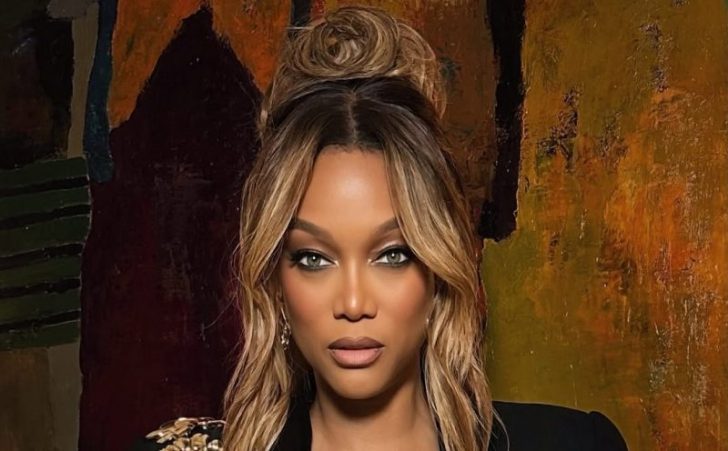
Banks / IG / Some celebrities mastered narrative control long before streaming took over. Tyra Banks built an empire by shaping how the public saw modeling and fame.
Her show “America’s Next Top Model” turned her into a judge, mentor, and gatekeeper. That series framed the fashion world through her lens. She decided what counted as growth, talent, and redemption. Contestants’ stories were edited into lessons about ambition and resilience. Banks stood at the center as the ultimate authority.
Now, a new docuseries revisits the show and its controversies. It gives her space to respond to criticism and reinterpret past moments. That is a smart strategy. It allows her to update her legacy in real time.
More in Celebrity
-
`
 Kanye West Accuses Kim Kardashian of Distancing Children From Him
Kanye West is not holding back. The 48-year-old rapper says Kim Kardashian is putting space between him and their kids. According...
November 22, 2025 -
`
Meet Smith Lake Jake, Alabama Groundhog Celebrity Who Stars in a New Movie
Smith Lake Jake didn’t start out as a celebrity. Born around 2005 and adopted by Ginger and Heath Whitworth in Graysville,...
November 7, 2025 -
`
Minnesota Cannabis Dispensaries Are Empty in a Crippling Supply Shortage
Minnesota legalized adult-use cannabis, issued retail licenses, and cut the ribbon on a new market. But now? Dispensary shelves are bare....
October 31, 2025 -
`
How Losing a Family Pet Can Teach Your Kids About Death & Grief
No one wants to see their kid cry over a pet, but it happens. Pets don’t live forever, and when they...
October 24, 2025 -
`
How to Ensure Mindful Living in the Suburbs
Mindful living in the suburbs doesn’t need a retreat, a guru, or a schedule packed with meditation classes. It just needs...
October 17, 2025 -
`
Paris Hilton’s New Kids Show Is the One Even Her Own Kids Actually Watch!
Paris Hilton isn’t just running empires and DJing in Ibiza. She is also making bedtime TV that actually passes the toddler...
October 10, 2025 -
`
Why this Management Guru Wants You to ‘Waste’ Money to Grow Your Business
Luke Williams has a message that goes against everything most business owners believe: You need to waste money. Not recklessly, but...
October 3, 2025 -
`
5 Things We Lose As a Society When Teens Don’t Babysit
Babysitting used to be a rite of passage for teens. It wasn’t just about earning pocket money. It built trust, responsibility,...
September 27, 2025 -
`
Michael Jackson’s Biopic is Filled With “Full-Blown Lies,” Daughter Paris Jackson Says
Michael Jackson’s daughter, Paris Jackson, is calling out the upcoming biopic “Michael” for what she says it really is – “full-blown...
September 20, 2025







More From Wordsa
-
David and Victoria Beckham Push for Mediated Reunion With Son Brooklyn
Tension within one of the most talked-about families in entertainment continues to build as David Beckham and Victoria Beckham attempt to...
CelebrityApril 23, 2026 -
Selling Your Business? Watch Out for These Critical Mistakes
Selling a business is often the most significant financial event a business owner will experience. The outcome affects not only immediate...
MoneyApril 17, 2026 -
Why Single-Family Rentals Have Become the New Foundation for Family Stability
Choosing a home as a family isn’t just about finding the right place—it’s about managing competing priorities like cost, space, and...
FamilyApril 10, 2026 -
Gen Z’s Viral “Rawdogging Boredom” Trend May Help Fix Their Attention Span
A strange trend is taking over TikTok. Gen Z creators are filming themselves sitting in silence, doing absolutely nothing for minutes...
Life HacksApril 3, 2026 -
Rihanna Shooting Suspect Charged With Attempted Murder
A frightening shooting at Rihanna’s Los Angeles home has now turned into a serious criminal case. Prosecutors have charged a Florida...
CelebrityMarch 28, 2026




You must be logged in to post a comment Login