

Why Single-Family Rentals Have Become the New Foundation for Family Stability
Choosing a home as a family isn’t just about finding the right place—it’s about managing competing priorities like cost, space, and a child’s future. The idea of owning a detached home still holds cultural appeal, but it doesn’t fully reflect how families live today. In practice, stability often outweighs ownership, and the lack of varied housing choices is putting pressure on families trying to find that balance.
For children, the defining issue isn’t whether their home is owned or leased. It’s whether that home feels consistent and secure. Long-term studies tracking kids from infancy through their teenage years show clear patterns: when housing is unstable, the effects build over time, shaping both physical health and overall development in lasting ways.
Adolescents who experienced even moderate housing insecurity had decreased odds of reporting excellent health and exhibited more depressive symptoms. For those who experienced highly insecure housing, the effects were even more severe, with significantly higher levels of anxiety.
Housing insecurity encompasses more than just the threat of eviction. It includes difficulty paying rent, frequent moves, overcrowding, and the experience of doubling up with other families. This constant state of uncertainty creates toxic stress that impairs cognitive, emotional, and physical development.
The Space and Privacy Advantages of Single-Family Rentals

Karola / Pexels / For families with children, the physical attributes of a single-family home offer distinct advantages over apartment living.
A key factor for many families is space. Houses tend to offer more square footage, extra bedrooms, and access to private outdoor areas. These spaces go beyond simple perks—they can meaningfully shape a child’s day-to-day life. Time spent in yards or green areas has been associated with stronger executive function, including skills like focus, memory, and self-regulation, while also helping families settle into more consistent, calmer routines.
Privacy and noise also come into play. Apartments often mean shared walls and common spaces, which can bring unwanted noise and limit personal space. A detached house, by contrast, usually provides a quieter setting and a greater sense of separation—something many families value when trying to create a steady, low-stress environment for their children.
The Rise of Build-to-Rent as a Market Solution
As homeownership drifts further out of reach for many—driven by rising interest rates and record-high prices—the housing market has started to adjust. One response is the growth of build-to-rent (BTR) communities, made up of single-family homes or townhomes developed specifically for renters.
What was once a relatively small segment is quickly becoming a meaningful part of the housing system, with more than 110,000 BTR units currently under construction.
For families, the appeal is straightforward. BTR offers the feel of a traditional house—private yards, direct street access, and multiple bedrooms—without the upfront cost of a down payment or the ongoing burden of maintenance. In many markets, renting a single-family home can be $1,000 or more cheaper per month than purchasing a similar property, creating a clear and immediate financial advantage.
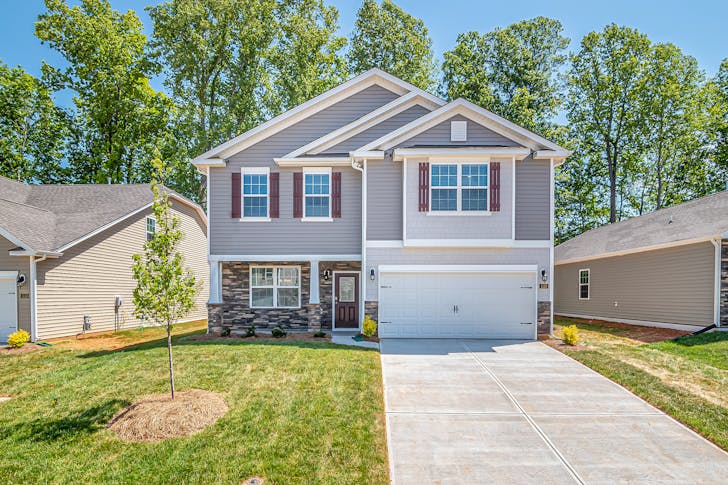
Curtis / Pexels / A significant barrier to families finding suitable rental housing is the widespread prevalence of restrictive zoning laws.
In many communities across the United States, the vast majority of residential land is zoned exclusively for single-family homes. This practice limits the development of duplexes, townhomes, and small apartment buildings that could provide more diverse and affordable housing options.
The consequences of this exclusionary zoning are severe. By restricting multi-family housing to small pockets of a city or town, it artificially inflates land prices and limits the supply of rental units. This scarcity is particularly acute for family-sized rentals, as a large portion of new apartment construction consists of studios and one-bedroom units targeting young, single professionals.
More in Family
-
`
 Kanye West Ranked as “2026’s Most Canceled Celebrity” in New Study
Kanye West continues making headlines across music, fashion, and social media. However, controversy still follows the rapper everywhere. A new study...
May 22, 2026 -
`
Why Business Owners Are Working Harder Than Ever But Still Not Growing
Hard work is not the issue for most business owners. Long hours, rising revenue, and constant activity often create the illusion...
May 15, 2026 -
`
How Family Environment Shapes Life Outcomes Across Generations
A child’s early surroundings often leave a mark that follows far beyond childhood years. New research published in The BMJ points...
May 8, 2026 -
`
Here’s What We Know About Jeff Bezos’ Seven Kids
Jeff Bezos built Amazon into one of the most powerful companies on the planet. Yet away from boardrooms and rocket launches,...
March 13, 2026 -
`
Kylie Jenner & Timothée Chalamet Are ‘Eager’ to Have Babies
Kylie Jenner and Timothée Chalamet are not playing around anymore. What started as a surprising romance in early 2023 has grown...
February 14, 2026 -
`
5 Realistic Ways of Re-connecting Your Family in This Digital Age
Family life feels louder than ever, yet strangely quiet at the same time. Everyone is home, but no one is really...
January 17, 2026 -
`
George Clooney Says His Kids Don’t Care Much About His Fame
George Clooney has starred in major hits, collected awards, and stayed one of the most recognizable faces in entertainment, yet none...
December 21, 2025 -
`
Kanye West Accuses Kim Kardashian of Distancing Children From Him
Kanye West is not holding back. The 48-year-old rapper says Kim Kardashian is putting space between him and their kids. According...
November 22, 2025 -
`
How Losing a Family Pet Can Teach Your Kids About Death & Grief
No one wants to see their kid cry over a pet, but it happens. Pets don’t live forever, and when they...
October 24, 2025









More From Wordsa
-
Justin Bieber Spotted Performing at MacArthur Park in LA
Justin Bieber gave Los Angeles parkgoers an unexpected moment when he joined fellow musicians for a casual performance at MacArthur Park....
CelebrityOctober 8, 2026 -
Kauai Small Businesses Welcome Tourists Back After Hurricane Lowell
Hurricane Lowell left Kauai facing a difficult recovery after the Sept. 7 storm knocked out power, damaged roads, toppled trees, and...
MoneyOctober 1, 2026 -
Is Your Child Being Bullied? 2 Signs Parents Should Watch For
Bullying does not always leave visible marks. A child may come home with no injuries and still carry fear, stress, or...
FamilySeptember 25, 2026 -
Feeling Like You Never Have Enough? Try This Simple Habit
More money, better achievements, and new possessions can feel satisfying, but that feeling often fades faster than expected. Once a new...
Life HacksSeptember 18, 2026 -
Robert De Niro Opens Up About Balancing Career and Fatherhood
Balancing a major acting career with family life can be difficult, and Robert De Niro says there is no simple formula...
CelebritySeptember 11, 2026





You must be logged in to post a comment Login