
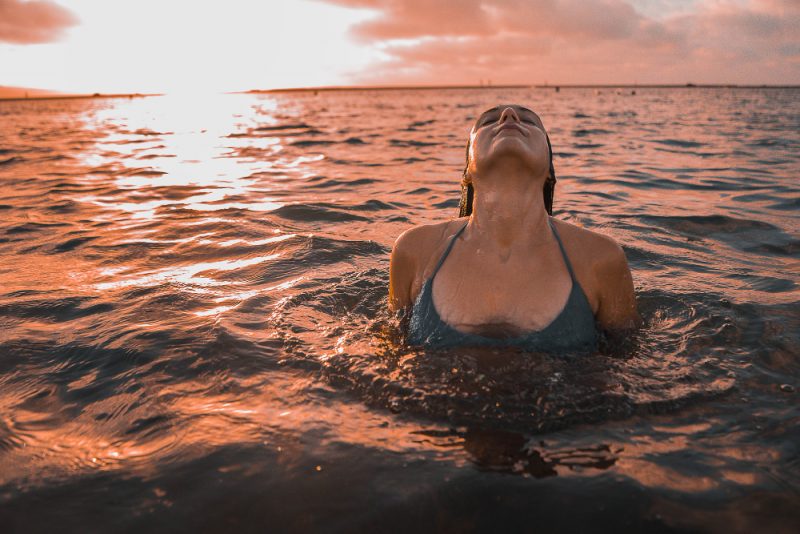
‘Underwater Meditation’ is the New Wellness Travel Trend – Here’s All to Know
Underwater meditation is no longer a quirky idea tucked inside a niche wellness retreat. It is becoming a defining part of modern wellness travel, and the momentum is real. What started as a curiosity has grown into a movement fueled by travelers who want more than a getaway. They want a shift in how they relate to themselves, their surroundings, and their bodies. Water is proving to be the perfect medium for that shift.
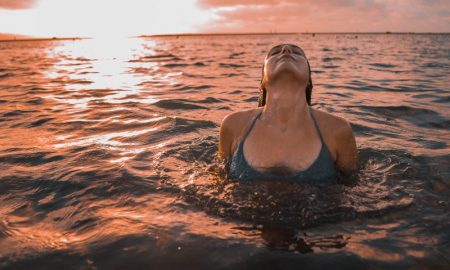
What gives this trend its power is the way it taps into our natural biology. Humans respond to water in ways we rarely notice in daily life. The moment you sink under the surface, your mind quiets, your senses sharpen, and your focus narrows. The world above loses volume and urgency. Suddenly, you can hear yourself breathe. For many people, this is exactly the kind of reset they can’t find on land.
The Science & Psychology of Underwater Wellness
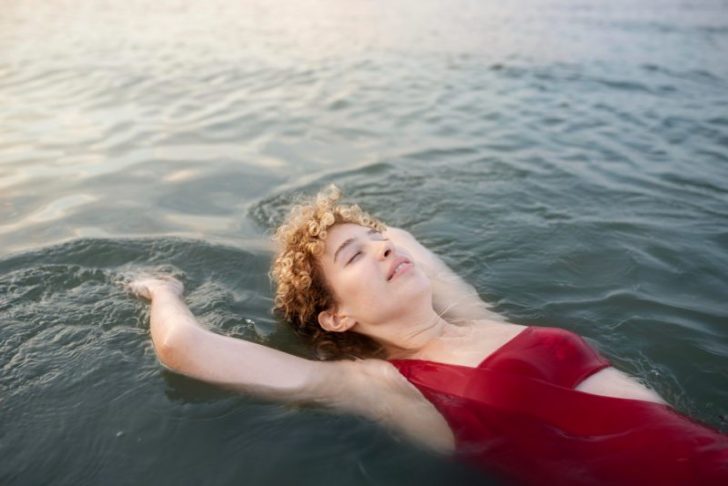
Freepik / The ‘Blue Mind Theory’ shows that being near water naturally places the brain in a calmer state. When you go underwater, this response strengthens.
Hydrostatic pressure hugs the body evenly, creating a soothing effect that feels like a soft, weighted blanket. At the same time, the mammalian dive reflex kicks in. The body slows the heart rate and stabilizes blood pressure the instant the face meets cool water, setting up the perfect internal ground for meditation.
Breathing also changes in underwater environments. Scuba and freediving require controlled, rhythmic breaths that stimulate the vagus nerve, a major player in stress reduction. This type of breathing pulls the body into a slower, more relaxed mode. The underwater world also removes distractions.
A Spectrum of Underwater Wellness Experiences
Meditative diving and freediving sit at the front of this trend. These practices use movement and breath to guide the mind into clarity. Schools like Octopus Dive School in Roatán run programs that blend slow buoyancy work with mindful breathing. The water becomes a floating meditation cushion.
In Dominica, freediving retreats lean into the internal journey, treating the descent as an exploration of calm rather than depth. Participants often describe feeling anchored, centered, and deeply present.
Aquatic bodywork brings a quieter, more therapeutic layer. Janzu, a therapy born in Mexico, uses gentle, flowing movements in warm water. A practitioner supports the body, guiding it through patterns that mimic the safety of early life. Many people report emotional release and a surprising sense of safety. The water holds them, the mind unravels its tension, and the experience becomes both soothing and revealing.
Mindful snorkeling offers a more accessible entry point. Resorts like Zen Resort in Bali integrate slow snorkeling sessions that focus on breath and observation. Guests glide over reefs with calm attention, turning the ocean into a living meditation space. Programs in the Bahamas even pair mindful snorkeling with shark education, helping visitors replace fear with respect and clarity.
Global Destinations Pioneering the Trend
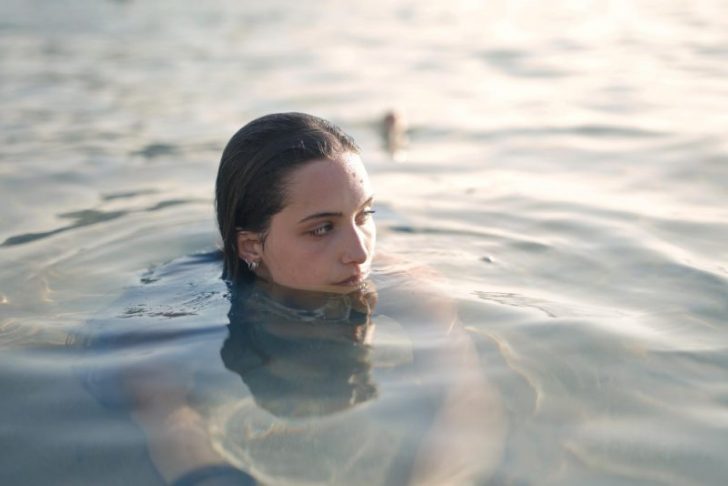
Freepik / Across the Americas, programs are expanding quickly. Mexico’s Bacalar Lagoon is a main hub for Janzu, where calm turquoise water sets the perfect stage.
Roatán offers structured meditative diving, and Grenada hosts adaptive diving programs that focus on empowerment and healing. St. Lucia adds its own twist with sessions that link breathwork on boats to gentle aquatic yoga.
The Asia Pacific region is a powerhouse in underwater wellness. Bali’s Zen Resort blends underwater practices with Ayurveda and yoga, creating a full mind-body experience. In the Maldives, Six Senses Laamu leads underwater yoga sessions where slow movements meet coral views. Banyan Tree Vabbinfaru offers guided float therapy that leaves guests feeling unburdened and restored.
Europe is exploring creative adaptations. Even inland locations are getting involved. England’s Lime Wood Hotel has played with free dive-inspired breathwork followed by aquatic gong sound baths.
More in Life Hacks
-
`
 This New York-Based Startup Has Cool Ways of Quitting Cigarettes, Vaping & Zyn
Quitting cigarettes, vaping, and Zyn has always felt clinical, awkward, and kind of lame. But Jones, a New York-based startup, is...
July 18, 2025 -
`
Inside Gwen Stefani’s Life With Her “Greatest Love” Blake Shelton
Gwen Stefani kicked off Blake Shelton’s 49th birthday in the most personal way possible. On June 18, 2025, she shared a...
July 11, 2025 -
`
What Is the Science Behind Out-of-Body Experiences (OBEs)?
Out-of-body experiences, or OBEs, sound like science fiction. But they are real, at least to those who experience them. OBEs involve...
July 5, 2025 -
`
Why Will Smith Regrets Rejecting a Starring Role in “Inception”
Will Smith once passed on a role that would go on to define sci-fi cinema. In a rare moment of honesty,...
June 29, 2025 -
`
5 Things Millionaires Are Doing With Their Money in 2025
Money doesn’t sit still when you are rich. Millionaires don’t hoard it, they grow it. Every dollar has a job to...
June 21, 2025 -
`
‘Living Room Kid’ vs. ‘Bedroom Kid’: The Difference & Parenting Tips
Parenting means learning the little clues that show how your child feels. One major clue? Where your kid spends most of...
June 13, 2025 -
`
5 Ways Morning Meditation Can Boost Your Mental Health
Morning meditation is backed by science and proven to make your brain and body feel better. Right after you wake up,...
June 8, 2025 -
`
Top 10 Best-Dressed Celebs at the 2025 Cannes Film Festival
The 2025 Cannes Film Festival is turning up the glam, but not without surprises. Just a day before the premieres began,...
May 30, 2025 -
`
Warren Buffett Shares Key Investment Lessons at the 2025 Berkshire Shareholder Meeting
Warren Buffett walked into the 2025 Berkshire Hathaway Shareholder Meeting with the same calm he has carried through decades of market...
May 23, 2025





More From Wordsa
-
‘Underwater Meditation’ is the New Wellness Travel Trend – Here’s All to Know
Underwater meditation is no longer a quirky idea tucked inside a niche wellness retreat. It is becoming a defining part of...
Life HacksDecember 13, 2025 -
Elizabeth Hurley, Billy Ray Cyrus Turn Heads on Their Red Carpet Date Night at the CMA Awards
Elizabeth Hurley and Billy Ray Cyrus know how to make an entrance. The duo’s red carpet date night at the 59th...
CelebrityDecember 5, 2025 -
How Does Tech Giant Meta Make Money? A Closer Look
Meta is one of the biggest names in tech. But many people still wonder how it actually brings in billions of...
MoneyNovember 28, 2025 -
Kanye West Accuses Kim Kardashian of Distancing Children From Him
Kanye West is not holding back. The 48-year-old rapper says Kim Kardashian is putting space between him and their kids. According...
FamilyNovember 22, 2025 -
How ‘Niksen,’ the Dutch Way of Doing Nothing, Is Good for Mental Health
We live in a world that praises hustle. If you are not doing something productive, you are wasting time, right? The...
Life HacksNovember 15, 2025

You must be logged in to post a comment Login