

Is Your Child Being Bullied? 2 Signs Parents Should Watch For
Bullying does not always leave visible marks. A child may come home with no injuries and still carry fear, stress, or sadness from something that happened at school. Bullying can involve physical attacks, hurtful words, social exclusion, threats, rumors, or online harassment.
Since children may not always explain what is happening, small changes in behavior can provide important clues.
Cyberbullying adds another concern. Hurtful messages, group chats, direct messages, emails, and social media posts can reach children after school and follow them home. The effects may continue into the next school day.
Parents can help by recognizing warning signs, listening without overreacting, and knowing when to involve the school.
Two Signs to Watch
1. Frequent Physical Complaints
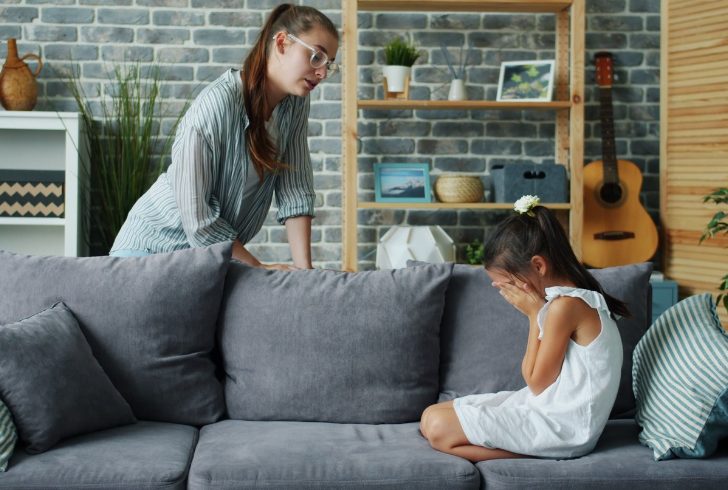
Pexels | Unexplained physical symptoms and pre-school dread are common signs a child is being bullied.
Some children respond to bullying through physical symptoms. They may complain about stomachaches, headaches, tiredness, or other discomfort without an obvious medical reason. A child may also seem unusually worried or fearful before school.
Steven Pastyrnak, PhD, a Michigan-based licensed clinical psychologist specializing in pediatric psychology, identifies physical complaints, including tummy aches, worries, and fears, as common signs that a child may be under stress.
These symptoms do not automatically mean bullying is happening. School pressure, friendship problems, anxiety, and other concerns can cause similar reactions. Still, repeated complaints deserve attention, especially when they appear around school days.
Parents can gently ask what happened before the discomfort started. Questions about classmates, recess, lunch, bus rides, and friendships may help reveal a problem without making the child feel pressured.
2. Suddenly Avoiding School
A child who once attended school without much resistance may suddenly ask to stay home. They may become upset on Sunday night, complain about feeling sick before school, or look for reasons to avoid certain activities.
Steven Pastyrnak, PhD, explains that avoiding or withdrawing from stressful situations can be a normal defense response. Lauren Hyman Kaplan, a school counselor and specialist in social-emotional education and bullying prevention, also recommends finding out what may be behind these changes.
School avoidance alone does not prove bullying. However, a clear change in attitude should not be brushed aside. Ask about what is happening with friends and classmates. Older children may understand their peer relationships well enough to describe specific conflicts, while younger children may need simpler questions.
Listen Before Reacting
A child’s willingness to talk can depend heavily on how a parent responds. Anger, panic, or an immediate confrontation may make a child less likely to share details.
Kaplan says children often need parents to listen, reassure, and provide steady support rather than overreact. A calm response can make it easier for a child to explain what happened.
Communication also works best when it starts before a serious problem appears. Steven Pastyrnak, PhD, recommends keeping conversations general with younger children and asking for more details when there are clear signs of trouble.
Try questions such as:
Who did you spend time with today?
How did things go at lunch or recess?
Did anyone say or do something that bothered you?
Who do you enjoy spending time with at school?
Is there anyone you try to avoid?
The goal is to understand the child’s social experience, not conduct an interrogation.
Make It Clear That Bullying Is Not Their Fault
Children sometimes believe they caused the problem because of something they said, wore, did, or failed to do. Parents should correct that belief early.
Bullying reflects the behavior of the person doing the bullying. A child is not responsible for stopping another person’s harmful behavior. At the same time, children can learn safe responses and know when to ask adults for help.
A simple plan can help a child respond when emotions run high. Keep the language short and firm. Possible responses include:
“Leave me alone.”
“Back off.”
“That wasn’t nice.”
“I’m not dealing with this.”
The child can also use a neutral response such as “Yeah, whatever” and walk away. Michele Borba, EdD, an educational psychologist and author of “The Big Book of Parenting Solutions,” advises against using insults as comebacks because they can make the situation worse.
Practice Before a Problem Happens
Role-playing gives children a chance to practice without the pressure of a real confrontation. A parent can pretend to be the student who is causing trouble while the child tests different responses.
Practice can cover situations such as:
– Being called a name
– Being left out of a group
– Receiving an insulting message
– Having belongings taken
– Hearing a threat
– Seeing another student being targeted
Encourage a firm voice rather than shouting. The goal is not to win an argument. It is to respond safely, leave the situation when possible, and get adult help when needed.
Michele Borba, EdD, also recommends teaching children to use confident body language. Looking up, making appropriate eye contact, and standing with a steady posture can help a child feel more prepared. These skills do not guarantee that bullying will stop, and a lack of confidence never causes bullying. They simply give children another tool to use.
Build Confidence Outside School
A child’s sense of self should not depend on what happens in the classroom. Hobbies, sports, creative activities, clubs, and healthy friendships can give children places where they feel capable and valued.
Parents can point out specific strengths instead of offering only broad praise. A child who helps a teammate, finishes a difficult project, shows kindness, or handles frustration well should hear that those actions matter.
Steven Pastyrnak, PhD, notes that children often respond better when parents reinforce positive behavior instead of focusing only on negative situations. Regular encouragement can support self-esteem and help children maintain healthy relationships.
Teach Safe Ways to Respond

Pexels | Casual daily chats about school help kids open up naturally while making early warning signs easier to spot.
Children need more than one response because every bullying situation is different. A child facing teasing may handle it differently from a child facing threats or physical aggression.
Several skills can help:
1. Remember self-worth. When someone makes a cruel comment, the child can remind themselves of positive qualities rather than accepting the insult as fact.
2. Use a calm, firm voice. A child can explain what is wrong and what needs to stop. For example: “I feel angry when you call me names because I have a real name. I want you to call me by my real name.”
3. Use humor carefully. In some low-risk situations, a child may respond lightly and walk away. Humor should never be used when the situation feels threatening.
4. Leave when safety is a concern. A child should not stay and argue with someone who may hurt them. Getting to a safe place and telling a trusted adult matters more.
5. Support other students. Children can become upstanders by refusing to join bullying, supporting a targeted classmate, or getting an adult when someone appears unsafe.
Walter Roberts, EdD, professor emeritus of counselor education at Minnesota State University-Mankato and author of “Working With Parents of Bullies and Victims,” says children speaking up can have a much stronger effect than adults acting alone.
Keep Communication Open
Daily check-ins can make it easier to spot changes early. The conversation does not need to become a formal discussion about bullying every night. Simple questions about the school day can create a regular opening for children to speak.
Make sure children know that adults want to hear about small problems too. A minor incident can sometimes become a larger pattern when nobody addresses it.
Parents should also pay attention to online behavior. Changes in phone use, fear after receiving messages, sudden withdrawal from social media, or distress after checking a device may deserve a conversation.
Report Serious or Repeated Bullying
When bullying continues, becomes severe, or involves threats or physical harm, adults should step in. A child who feels uncomfortable reporting the problem alone can ask a parent to join the conversation.
Start with the teacher, school counselor, principal, or another appropriate administrator. Ask about the school’s bullying policy and what steps can be taken to protect the child.
Keep a record of repeated incidents. Include dates, locations, people involved, what happened, and any messages or other evidence related to the incident. Documentation can help the school understand whether a pattern exists.
If the situation remains unresolved or presents a serious safety concern, outside support may also be appropriate. Depending on the circumstances, this may include a family therapist, community resource, or law enforcement.
Work With the School
Parents and schools share an important role in addressing bullying. School staff may not see every incident, especially when it happens online, during less supervised periods, or away from campus.
Lauren Hyman Kaplan points out that parents should tell school staff about situations they may not know about. Steven Pastyrnak, PhD, also stresses the value of involvement from both parents and teachers so students can be monitored appropriately.
A productive conversation should focus on facts and safety. Share what the child reported, provide documentation when available, and ask what actions the school can take.
When to Contact the Other Parents
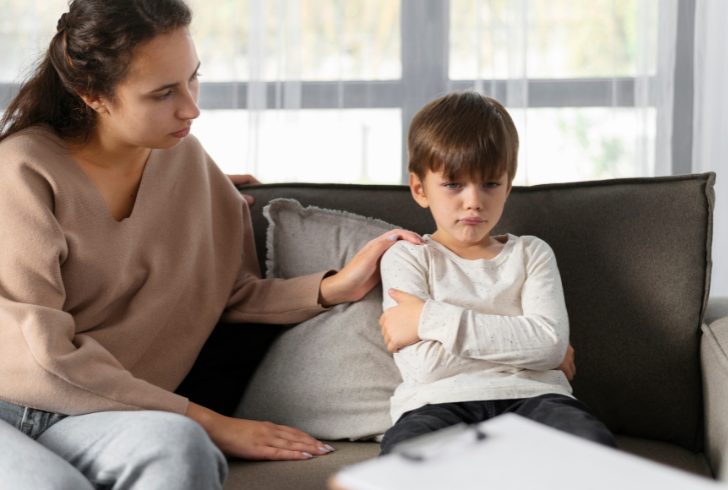
Magnific | Protect children from bullying by teaching them to enforce boundaries and inform adults rather than retaliating physically.
Contacting the parents of another child can make sense when the behavior continues and there is a reasonable chance of a cooperative discussion. It should not replace school involvement in serious cases.
Keep the conversation calm and focused on solving the problem. Avoid accusations or threats. A parent might say:
“I’m calling because my daughter has come home upset several days this week. She says Suzy has called her names and excluded her from games at the playground. I don’t know whether Suzy has mentioned this, but I’d like to find a way to help them get along better. Do you have any suggestions?”
A cooperative tone can reduce defensiveness and keep attention on the children’s well-being.
What Parents Should Avoid
Bullying should not be dismissed as normal teasing or something children must simply tolerate. Lauren Hyman Kaplan advises that children should not be expected to accept repeated teasing or mistreatment as ordinary peer behavior.
Parents should also avoid telling a child to fight back. Physical retaliation can increase the risk of injury and create additional problems at school. Instead, teach children to use clear boundaries, move toward safety, and involve a trusted adult.
Do not blame the child, demand an immediate confrontation, or promise that a problem will disappear on its own. Listen first, gather information, and take measured action.
Changes such as frequent physical complaints or reluctance to attend school can signal that a child needs support. A calm conversation can help uncover what is happening and make the child feel heard.
If bullying continues or becomes serious, parents should document incidents and involve the school. Children should also know how to leave unsafe situations, seek help from trusted adults, and support peers without putting themselves at risk.
More in Family
-
`
 Kanye West Ranked as “2026’s Most Canceled Celebrity” in New Study
Kanye West continues making headlines across music, fashion, and social media. However, controversy still follows the rapper everywhere. A new study...
May 22, 2026 -
`
Why Business Owners Are Working Harder Than Ever But Still Not Growing
Hard work is not the issue for most business owners. Long hours, rising revenue, and constant activity often create the illusion...
May 15, 2026 -
`
How Family Environment Shapes Life Outcomes Across Generations
A child’s early surroundings often leave a mark that follows far beyond childhood years. New research published in The BMJ points...
May 8, 2026 -
`
Why Single-Family Rentals Have Become the New Foundation for Family Stability
Choosing a home as a family isn’t just about finding the right place—it’s about managing competing priorities like cost, space, and...
April 10, 2026 -
`
Here’s What We Know About Jeff Bezos’ Seven Kids
Jeff Bezos built Amazon into one of the most powerful companies on the planet. Yet away from boardrooms and rocket launches,...
March 13, 2026 -
`
Kylie Jenner & Timothée Chalamet Are ‘Eager’ to Have Babies
Kylie Jenner and Timothée Chalamet are not playing around anymore. What started as a surprising romance in early 2023 has grown...
February 14, 2026 -
`
5 Realistic Ways of Re-connecting Your Family in This Digital Age
Family life feels louder than ever, yet strangely quiet at the same time. Everyone is home, but no one is really...
January 17, 2026 -
`
George Clooney Says His Kids Don’t Care Much About His Fame
George Clooney has starred in major hits, collected awards, and stayed one of the most recognizable faces in entertainment, yet none...
December 21, 2025 -
`
Kanye West Accuses Kim Kardashian of Distancing Children From Him
Kanye West is not holding back. The 48-year-old rapper says Kim Kardashian is putting space between him and their kids. According...
November 22, 2025









More From Wordsa
-
Can Cutting Ultra-Processed Foods Improve Mental Health?
Food choices may affect more than physical health. A small preliminary study from the University of California, San Francisco (UCSF) found...
Life HacksOctober 15, 2026 -
Justin Bieber Spotted Performing at MacArthur Park in LA
Justin Bieber gave Los Angeles parkgoers an unexpected moment when he joined fellow musicians for a casual performance at MacArthur Park....
CelebrityOctober 8, 2026 -
Kauai Small Businesses Welcome Tourists Back After Hurricane Lowell
Hurricane Lowell left Kauai facing a difficult recovery after the Sept. 7 storm knocked out power, damaged roads, toppled trees, and...
MoneyOctober 1, 2026 -
Is Your Child Being Bullied? 2 Signs Parents Should Watch For
Bullying does not always leave visible marks. A child may come home with no injuries and still carry fear, stress, or...
FamilySeptember 25, 2026 -
Feeling Like You Never Have Enough? Try This Simple Habit
More money, better achievements, and new possessions can feel satisfying, but that feeling often fades faster than expected. Once a new...
Life HacksSeptember 18, 2026





You must be logged in to post a comment Login