
Can Cutting Ultra-Processed Foods Improve Mental Health?
Food choices may affect more than physical health. A small preliminary study from the University of California, San Francisco (UCSF) found that people who sharply reduced their intake of ultra-processed foods also reported fewer symptoms of depression.
The findings, published in JAMA Psychiatry and funded by the National Institutes of Health, add to growing research on the possible connection between diet and mental health.
The study is notable because researchers assessed depression symptoms in the same participants before and after they changed their diets. Still, the trial involved only 20 people, so the results need confirmation through larger studies.
Depression Symptoms Improved

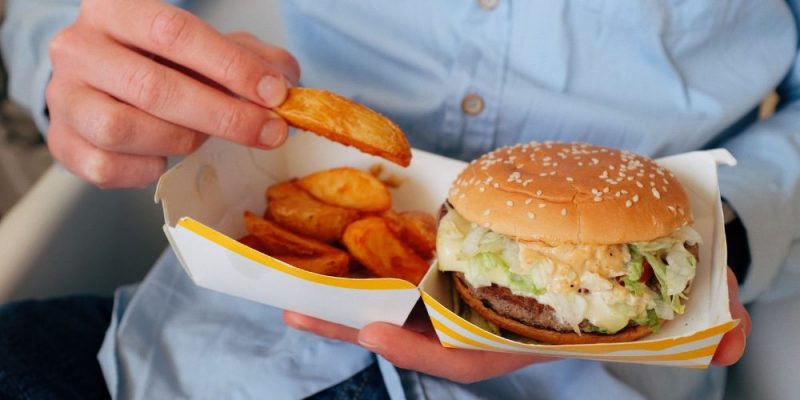
Pexels | Cutting ultra-processed foods by over 85% significantly reduced depression and modestly lowered anxiety.
Participants reduced their intake of ultra-processed foods by more than 85%. After the dietary change, researchers recorded moderate to large improvements across three different measures of depression. Anxiety scores also improved, although the change was more modest.
Ultra-processed foods can include packaged snacks, fast food, sugary drinks, and other heavily manufactured products. They may contain preservatives, artificial colors, flavor enhancers, emulsifiers, and other additives.
Reducing these foods can be difficult because they are inexpensive, convenient, and designed to taste appealing. Nyasha Chagwedera, MD, PhD, assistant professor in the UCSF Department of Psychiatry and Behavioral Sciences, noted that these foods can stimulate dopamine, which is involved in pleasure and reward.
She also said food companies use carefully selected amounts of sugar, salt, and fat that can encourage people to keep eating.
Possible Gut-Brain Link
The 20 participants had an average age of 44, and 70% were women. Fourteen participants also had anxiety. Everyone had a high body mass index and at least one metabolic disorder, such as hypertension, diabetes, or elevated LDL cholesterol.
Researchers placed participants into two groups. One group kept its usual diet for four weeks, while the other followed a diet low in ultra-processed foods. Participants bought their own food with guidance from the research team. After four weeks, the groups switched diets.
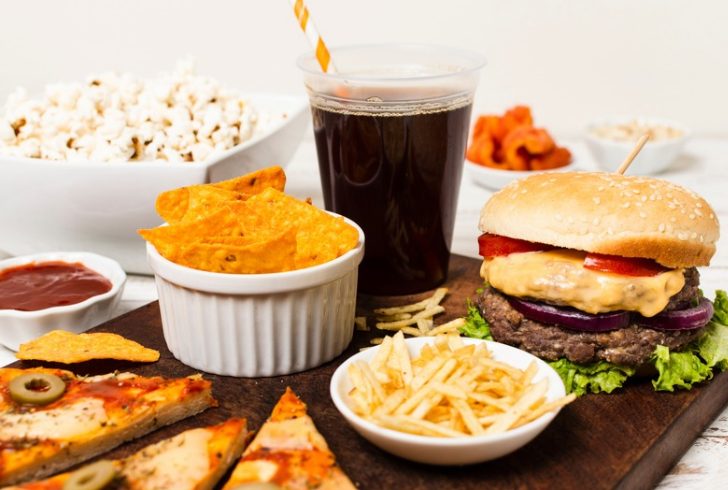
Pexels | Reducing processed foods may improve mental health, but larger studies are needed to confirm the results.
Chagwedera, who founded the UCSF Metabolic and Mental Health Program, suggested that changes in the gut could help explain the results. One theory focuses on damage to the gut’s protective lining and the inflammation that may follow.
According to this theory, a damaged gut barrier could contribute to low-grade, chronic inflammation throughout the body. That inflammation may affect depression directly or increase vulnerability to depressive symptoms. However, this remains a possible explanation rather than a proven cause.
Larger Study Planned
Andrew Krystal, MD, Ray and Dagmar Dolby Distinguished Professor in UCSF’s departments of Psychiatry and Behavioral Sciences and Neurology, said the pilot study “successfully established the viability of carrying out this research in a larger-scale trial.”
The researchers plan to continue studying the connection with a larger group. Enrollment for phase 2 is expected to begin in 2028. A larger trial could help determine whether reducing ultra-processed foods directly improves depression symptoms or whether other dietary and lifestyle changes also contribute.
The UCSF study offers an early look at how major changes in food choices may relate to mental health. The sharp reduction in ultra-processed foods was followed by improvements in depression symptoms, but the small sample size limits what researchers can conclude.
Larger research will be needed to clarify the gut-brain connection and determine whether the results hold across broader groups of people.
More in Life Hacks
-
`
 Kanye West Ranked as “2026’s Most Canceled Celebrity” in New Study
Kanye West continues making headlines across music, fashion, and social media. However, controversy still follows the rapper everywhere. A new study...
May 22, 2026 -
`
Why Business Owners Are Working Harder Than Ever But Still Not Growing
Hard work is not the issue for most business owners. Long hours, rising revenue, and constant activity often create the illusion...
May 15, 2026 -
`
How Family Environment Shapes Life Outcomes Across Generations
A child’s early surroundings often leave a mark that follows far beyond childhood years. New research published in The BMJ points...
May 8, 2026 -
`
Why Single-Family Rentals Have Become the New Foundation for Family Stability
Choosing a home as a family isn’t just about finding the right place—it’s about managing competing priorities like cost, space, and...
April 10, 2026 -
`
Here’s What We Know About Jeff Bezos’ Seven Kids
Jeff Bezos built Amazon into one of the most powerful companies on the planet. Yet away from boardrooms and rocket launches,...
March 13, 2026 -
`
Kylie Jenner & Timothée Chalamet Are ‘Eager’ to Have Babies
Kylie Jenner and Timothée Chalamet are not playing around anymore. What started as a surprising romance in early 2023 has grown...
February 14, 2026 -
`
5 Realistic Ways of Re-connecting Your Family in This Digital Age
Family life feels louder than ever, yet strangely quiet at the same time. Everyone is home, but no one is really...
January 17, 2026 -
`
George Clooney Says His Kids Don’t Care Much About His Fame
George Clooney has starred in major hits, collected awards, and stayed one of the most recognizable faces in entertainment, yet none...
December 21, 2025 -
`
Kanye West Accuses Kim Kardashian of Distancing Children From Him
Kanye West is not holding back. The 48-year-old rapper says Kim Kardashian is putting space between him and their kids. According...
November 22, 2025









More From Wordsa
-
Can Cutting Ultra-Processed Foods Improve Mental Health?
Food choices may affect more than physical health. A small preliminary study from the University of California, San Francisco (UCSF) found...
Life HacksOctober 15, 2026 -
Justin Bieber Spotted Performing at MacArthur Park in LA
Justin Bieber gave Los Angeles parkgoers an unexpected moment when he joined fellow musicians for a casual performance at MacArthur Park....
CelebrityOctober 8, 2026 -
Kauai Small Businesses Welcome Tourists Back After Hurricane Lowell
Hurricane Lowell left Kauai facing a difficult recovery after the Sept. 7 storm knocked out power, damaged roads, toppled trees, and...
MoneyOctober 1, 2026 -
Is Your Child Being Bullied? 2 Signs Parents Should Watch For
Bullying does not always leave visible marks. A child may come home with no injuries and still carry fear, stress, or...
FamilySeptember 25, 2026 -
Feeling Like You Never Have Enough? Try This Simple Habit
More money, better achievements, and new possessions can feel satisfying, but that feeling often fades faster than expected. Once a new...
Life HacksSeptember 18, 2026




You must be logged in to post a comment Login