
Gen Z’s Viral “Rawdogging Boredom” Trend May Help Fix Their Attention Span
A strange trend is taking over TikTok. Gen Z creators are filming themselves sitting in silence, doing absolutely nothing for minutes at a time. No phones, no music, no scrolling, no distractions of any kind.
They call it “rawdogging boredom,” and while the name sounds chaotic, the idea is simple. Sit still, stay present, and let your mind wander without interference. It feels uncomfortable at first, and that is exactly the point.
This trend is catching on because it pushes against how people usually spend their time. Most of the day is filled with noise, alerts, and endless content. This challenge asks people to face the quiet rather than escape it.
@katend06I saw someone else do this and wanted to try.♬ оригінальний звук – Libriolla
It may look like a joke on the surface, but experts say it taps into something real. The brain needs breaks from constant input, and this trend forces that pause. What started as a viral challenge is now being taken seriously as a mental reset.
Why Doing Nothing Feels So Hard

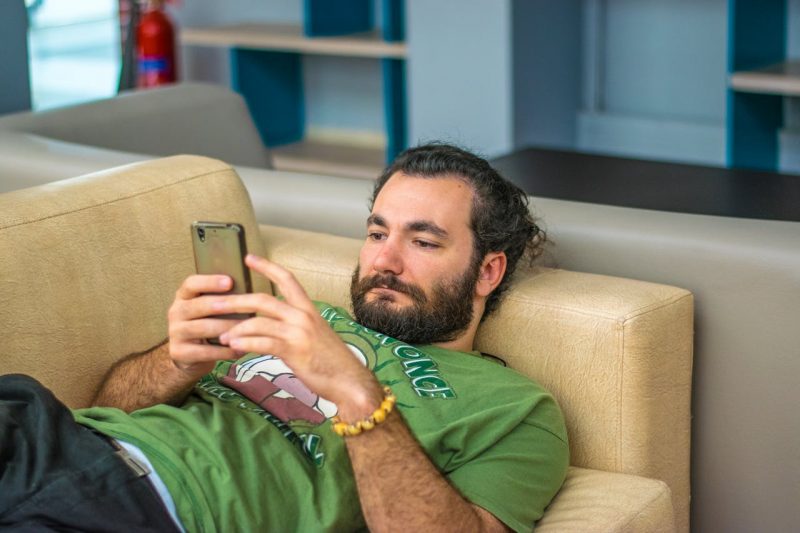
Happy / Pexels / Short-form content has trained people to expect quick hits of entertainment. Every swipe brings something new, fast, and stimulating.
The brain eventually craves ongoing change.
That adaptation can make stillness feel uncomfortable. When nothing is happening, the mind searches for something to occupy it. Even a few minutes without a phone may feel longer than expected.
Apps feed directly into this habit. They are designed to keep users engaged continuously, rewarding fast reactions and constant interaction rather than calm reflection.
The result is selective attention. Deep focus happens only when something truly captures the brain’s interest. Everything else is skipped, making boredom feel intolerable.
The Science Behind Sitting Still
Mental health professionals are not surprised. Mindfulness practices have long emphasized sitting quietly with your thoughts. What is newer is how younger generations, like Gen Z, are exploring this idea themselves.
Psychotherapist Stephanie Sarkis says unplugging allows the brain to process emotions that constant stimulation usually suppresses. Silence gives those thoughts a chance to surface naturally.
This process helps reduce mental overload. The brain gets a chance to rest instead of reacting to endless input. That rest is important for memory, focus, and emotional balance.
There is also a creative benefit. When the mind wanders freely, it starts making connections. Many people get their best ideas when they are not actively trying to think of anything at all.
Gen Z Doesn’t Lack Focus, They Filter It

Tima / Pexels / There is a common belief that Gen Z has a short attention span. The reality is that they are quick to decide what deserves their attention.
A Gen Z user might scroll past dozens of videos in seconds. That same person can then watch a long video about a topic they love without losing focus. This shows that attention is not gone. It is selective.
This is where “rawdogging boredom” comes in. It removes the noise and gives attention a chance to reset. Without constant input, the brain can slow down and rebuild its ability to stay present.
Doing nothing sounds unproductive, but it serves a purpose. It gives the brain a break from constant stimulation. That break can improve focus over time. Experts suggest starting small. Sitting quietly for two minutes is enough at the beginning. The goal is not to force calm, but to get comfortable with stillness.
As the practice continues, it becomes easier to stay present. The urge to check a phone starts to fade. This builds mental discipline in a simple and natural way.
More in Life Hacks
-
`
 Kanye West Accuses Kim Kardashian of Distancing Children From Him
Kanye West is not holding back. The 48-year-old rapper says Kim Kardashian is putting space between him and their kids. According...
November 22, 2025 -
`
Meet Smith Lake Jake, Alabama Groundhog Celebrity Who Stars in a New Movie
Smith Lake Jake didn’t start out as a celebrity. Born around 2005 and adopted by Ginger and Heath Whitworth in Graysville,...
November 7, 2025 -
`
Minnesota Cannabis Dispensaries Are Empty in a Crippling Supply Shortage
Minnesota legalized adult-use cannabis, issued retail licenses, and cut the ribbon on a new market. But now? Dispensary shelves are bare....
October 31, 2025 -
`
How Losing a Family Pet Can Teach Your Kids About Death & Grief
No one wants to see their kid cry over a pet, but it happens. Pets don’t live forever, and when they...
October 24, 2025 -
`
How to Ensure Mindful Living in the Suburbs
Mindful living in the suburbs doesn’t need a retreat, a guru, or a schedule packed with meditation classes. It just needs...
October 17, 2025 -
`
Paris Hilton’s New Kids Show Is the One Even Her Own Kids Actually Watch!
Paris Hilton isn’t just running empires and DJing in Ibiza. She is also making bedtime TV that actually passes the toddler...
October 10, 2025 -
`
Why this Management Guru Wants You to ‘Waste’ Money to Grow Your Business
Luke Williams has a message that goes against everything most business owners believe: You need to waste money. Not recklessly, but...
October 3, 2025 -
`
5 Things We Lose As a Society When Teens Don’t Babysit
Babysitting used to be a rite of passage for teens. It wasn’t just about earning pocket money. It built trust, responsibility,...
September 27, 2025 -
`
Michael Jackson’s Biopic is Filled With “Full-Blown Lies,” Daughter Paris Jackson Says
Michael Jackson’s daughter, Paris Jackson, is calling out the upcoming biopic “Michael” for what she says it really is – “full-blown...
September 20, 2025









More From Wordsa
-
David and Victoria Beckham Push for Mediated Reunion With Son Brooklyn
Tension within one of the most talked-about families in entertainment continues to build as David Beckham and Victoria Beckham attempt to...
CelebrityApril 23, 2026 -
Selling Your Business? Watch Out for These Critical Mistakes
Selling a business is often the most significant financial event a business owner will experience. The outcome affects not only immediate...
MoneyApril 17, 2026 -
Why Single-Family Rentals Have Become the New Foundation for Family Stability
Choosing a home as a family isn’t just about finding the right place—it’s about managing competing priorities like cost, space, and...
FamilyApril 10, 2026 -
Gen Z’s Viral “Rawdogging Boredom” Trend May Help Fix Their Attention Span
A strange trend is taking over TikTok. Gen Z creators are filming themselves sitting in silence, doing absolutely nothing for minutes...
Life HacksApril 3, 2026 -
Rihanna Shooting Suspect Charged With Attempted Murder
A frightening shooting at Rihanna’s Los Angeles home has now turned into a serious criminal case. Prosecutors have charged a Florida...
CelebrityMarch 28, 2026




You must be logged in to post a comment Login